-

Regional Transportation Plan
Active, PlansThe Regional Transportation Plan (RTP) provides the overall vision for the future of transportation in Calaveras County. It helps CCOG and its partners plan for changing transportation needs, coordinate regional priorities, and guide investments that support a safe, connected, and reliable transportation system.
-
Short Range Transit Plan
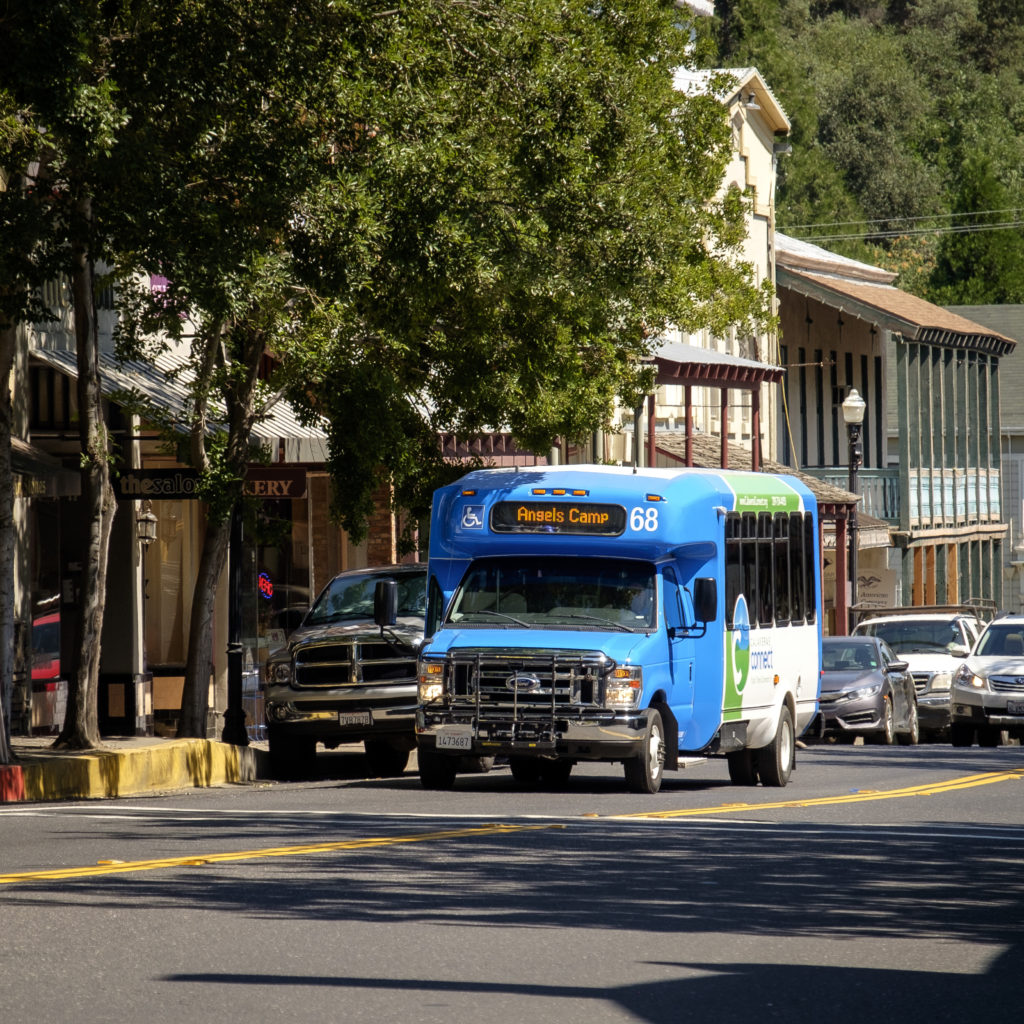
Active, PlansThe Short Range Transit Plan (SRTP) guides the development of Calaveras Transit services over the next five years. Its goal is to improve mobility for residents and visitors throughout Calaveras County.
-
Coordinated Public Transit- Human Services Transportation Plan
Active, PlansThe Coordinated Public Transit–Human Services Transportation Plan (“Coordinated Plan”) is a plan for Calaveras County. This plan is required to be updated every five years and is developed by the Calaveras Council of Governments, the region’s designated Regional Transportation Planning Agency. To be eligible for certain funding through the Federal Transit Administration, transportation projects and programs must be included in a locally adopted coordinated plan such as this one.
-
Active Transportation and Recreational Trails Plan
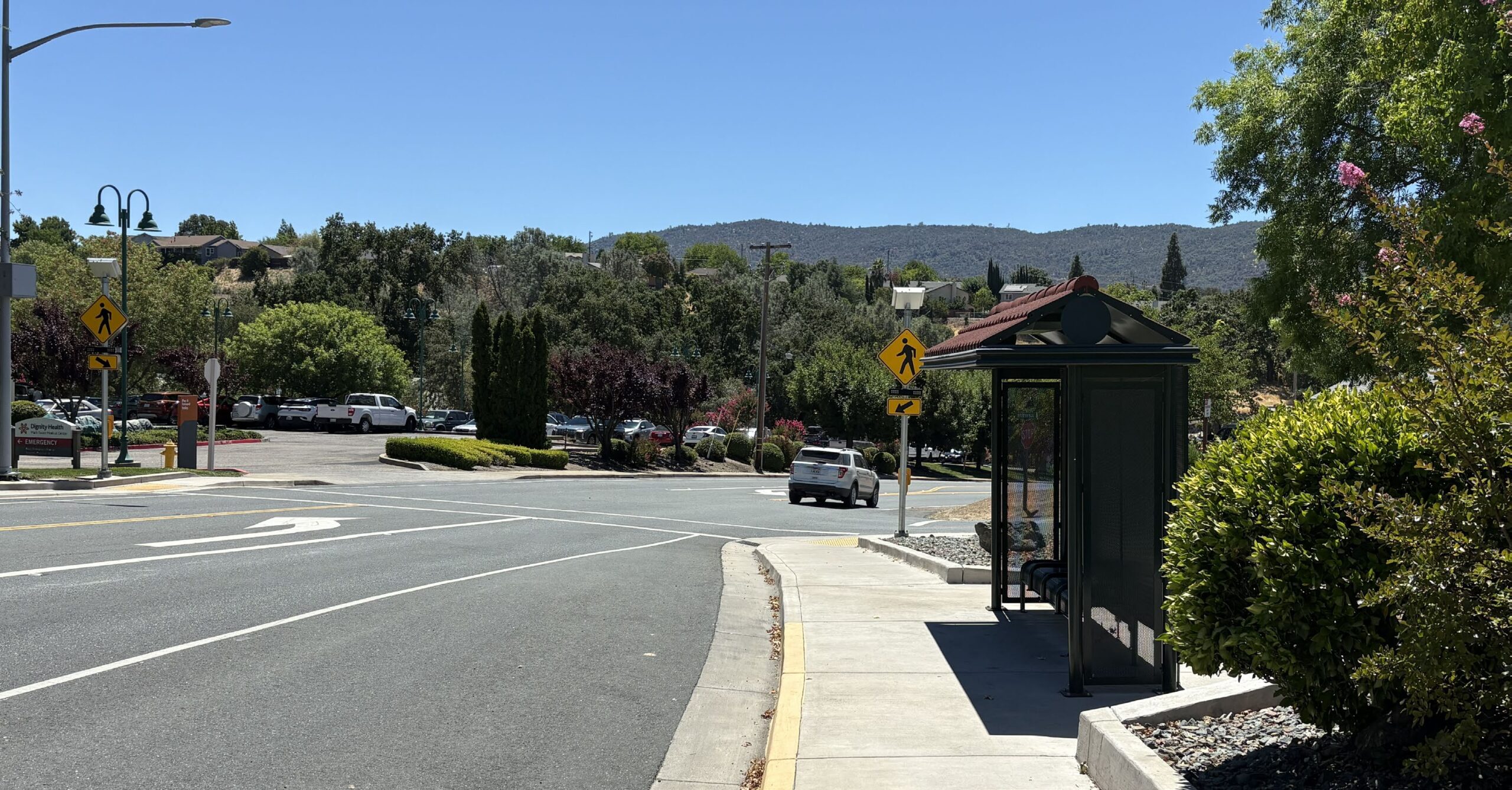
Active, PlansCalaveras County is developing a countywide Active Transportation and Recreational Trails Plan to improve walking, bicycling, and trail connectivity.
-
Calaveras County Evacuation and Access Needs Assessment and Preparedness Plan – (2023) Amended 12/4/2024
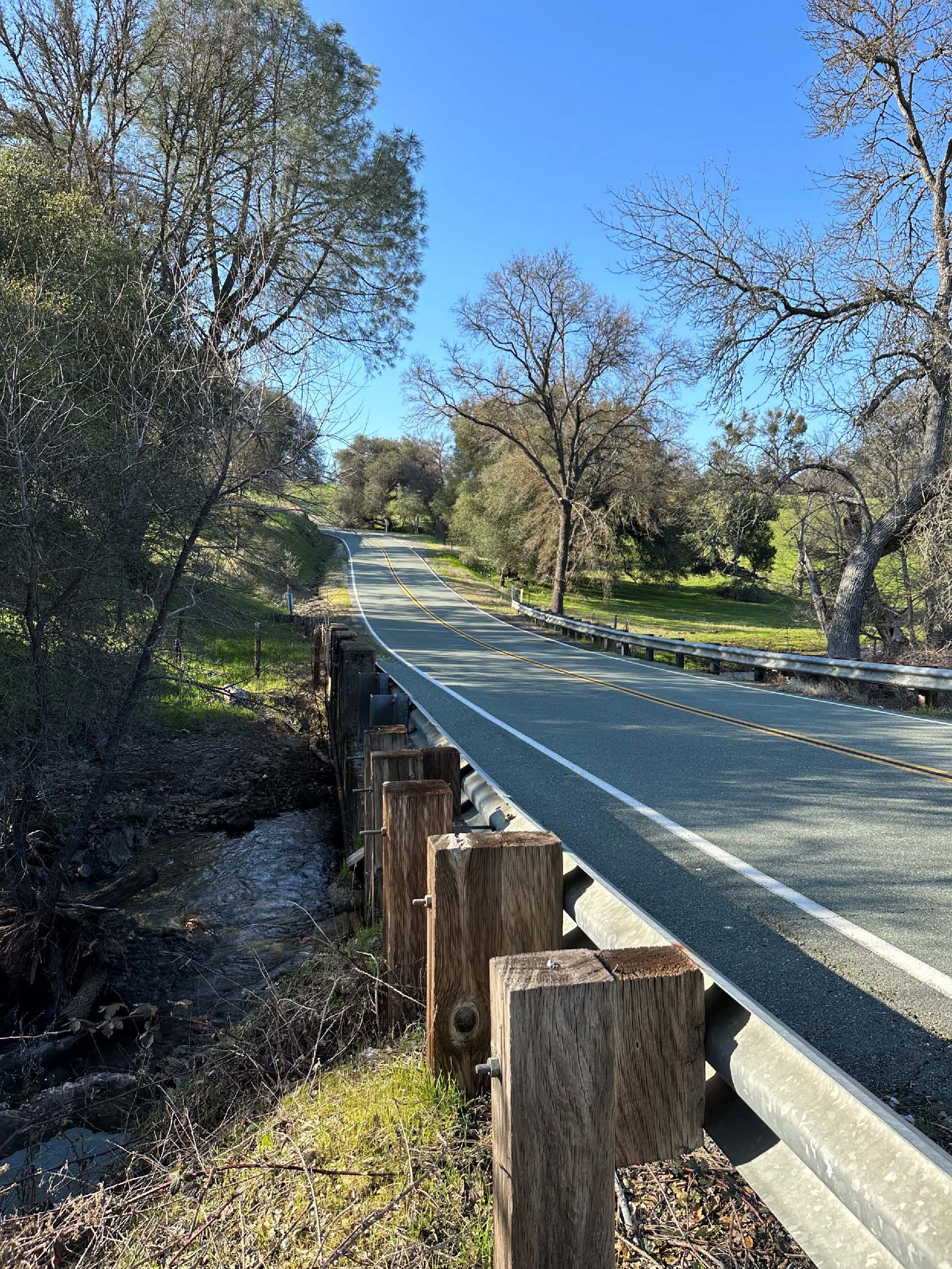
Active, PlansThe plan will assess existing roadways, bridges, and critical access routes to determine how effectively residents can evacuate and how emergency responders can access affected areas. Special attention will be given to rural communities with limited ingress and egress.
-
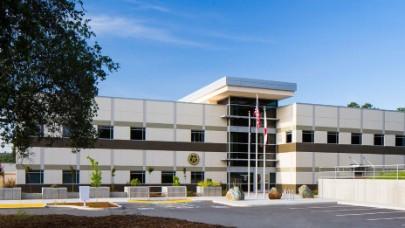
Calaveras County Electric Vehicle Charging Infrastructure Implementation Plan – 2025
Active, PlansThis Electric Vehicle Charging Infrastructure Implementation Plan is designed to guide charger deployment and provide recommendations for replacing existing internal combustion engine (ICE)–powered fleet vehicles with electric vehicles
(EVs) for Calaveras County and the City of Angels Camp municipal fleets. The plan evaluates opportunities to integrate EV acquisitions into the vehicle replacement schedule over the next 15 years.
Development of this document involved collaboration among multiple stakeholders from the Calaveras Council of Governments, Calaveras County, and the City of Angels Camp, who provided input regarding departmental fleet operations and vehicle usage needs. -
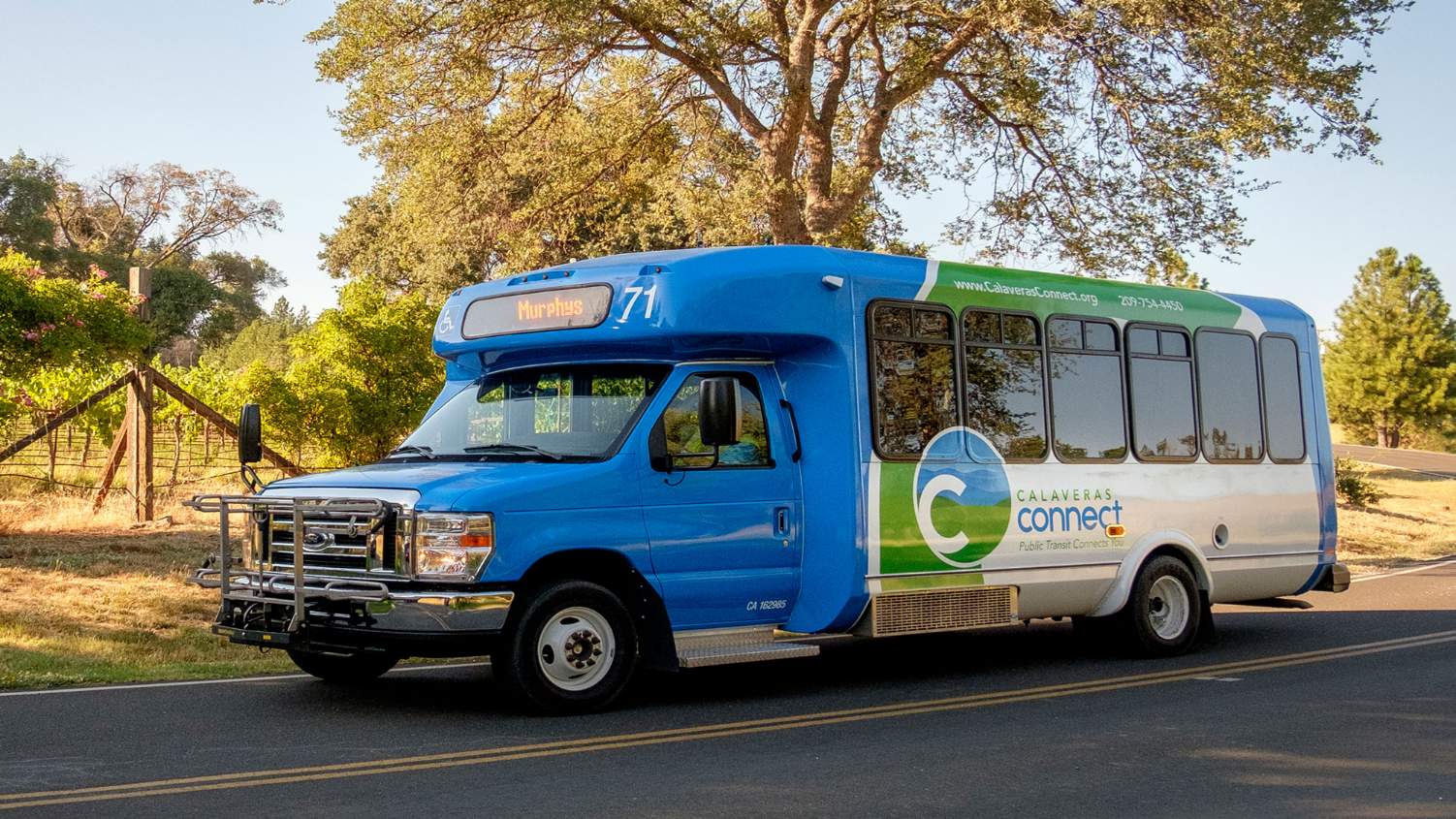
Zero Emissions Bus Analyses and Rollout Plan- 2023
Active, PlansThe Calaveras Transit Agency Zero-Emission Bus (ZEB) Rollout and Implementation Plan provides a roadmap for transitioning Calaveras Connect to a 100% zero-emission fleet by 2040. The plan outlines recommended vehicle purchases, charging infrastructure, facility improvements, funding opportunities, workforce training, and other strategies needed to support a phased transition while continuing to provide reliable transit service to the community.
-
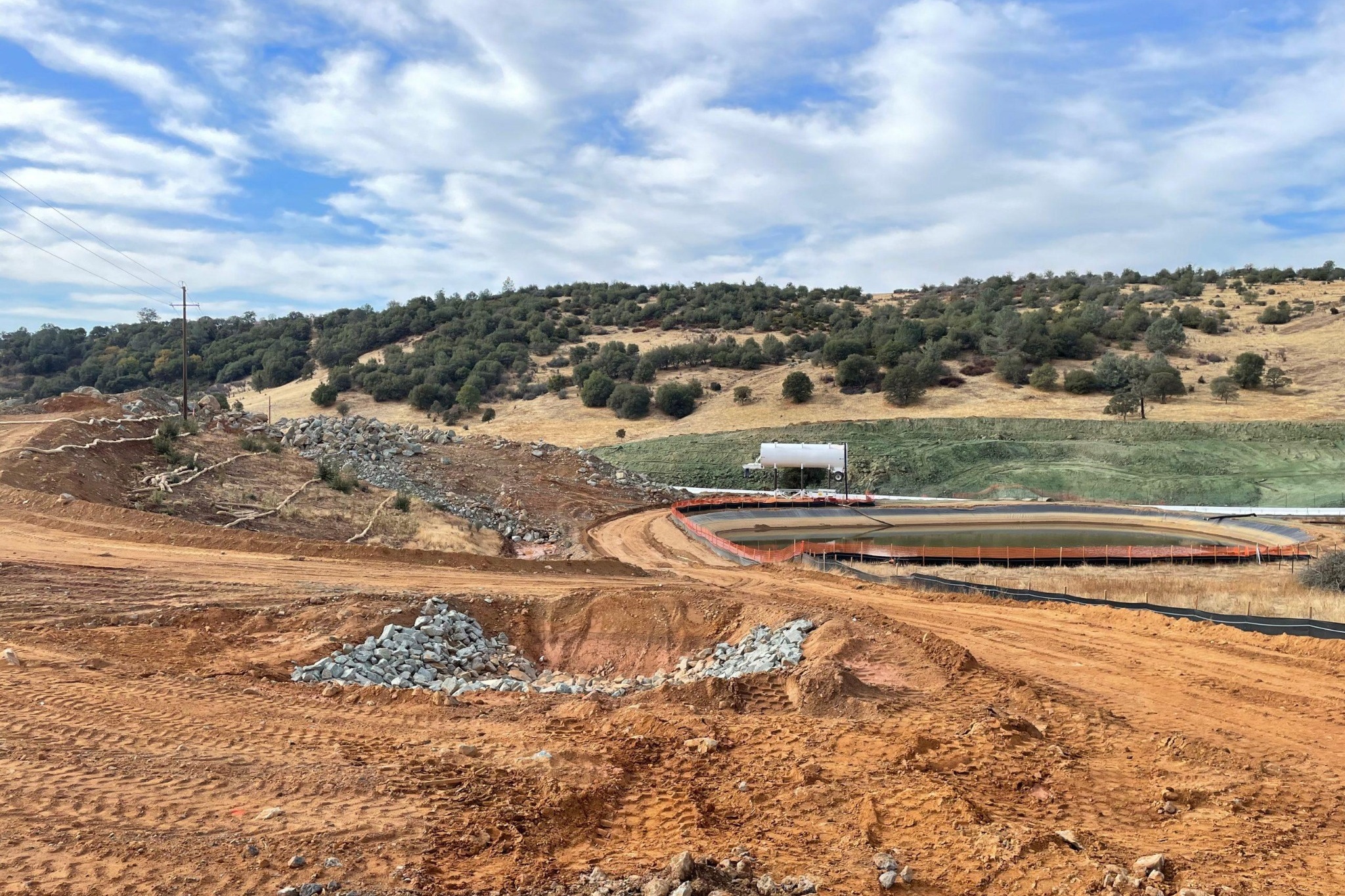
Caltrans SHOPP Projects
Active, PlansState Highway Operations and Protection Program (SHOPP) Projects
The SHOPP provides funding for maintaining the State Highway system. Updates on the current SHOPP projects in Calaveras County and their status as maintained by Caltrans District 10 may be found on the site listed below. -
SB 743 Implementation Plan for Calaveras County- 2022
Completed, PlansCalifornia Senate Bill 743 (SB 743) changed how transportation impacts are evaluated under the California Environmental Quality Act (CEQA). The law determined that automobile delay, commonly measured using Level of Service (LOS) should no longer be treated as an environmental impact. Instead, the California Governor’s Office of Planning and Research (OPR) recommended using Vehicle Miles Traveled (VMT) as the primary metric for transportation analysis
-
Valley Springs Town Center Connectivity Plan- 2020
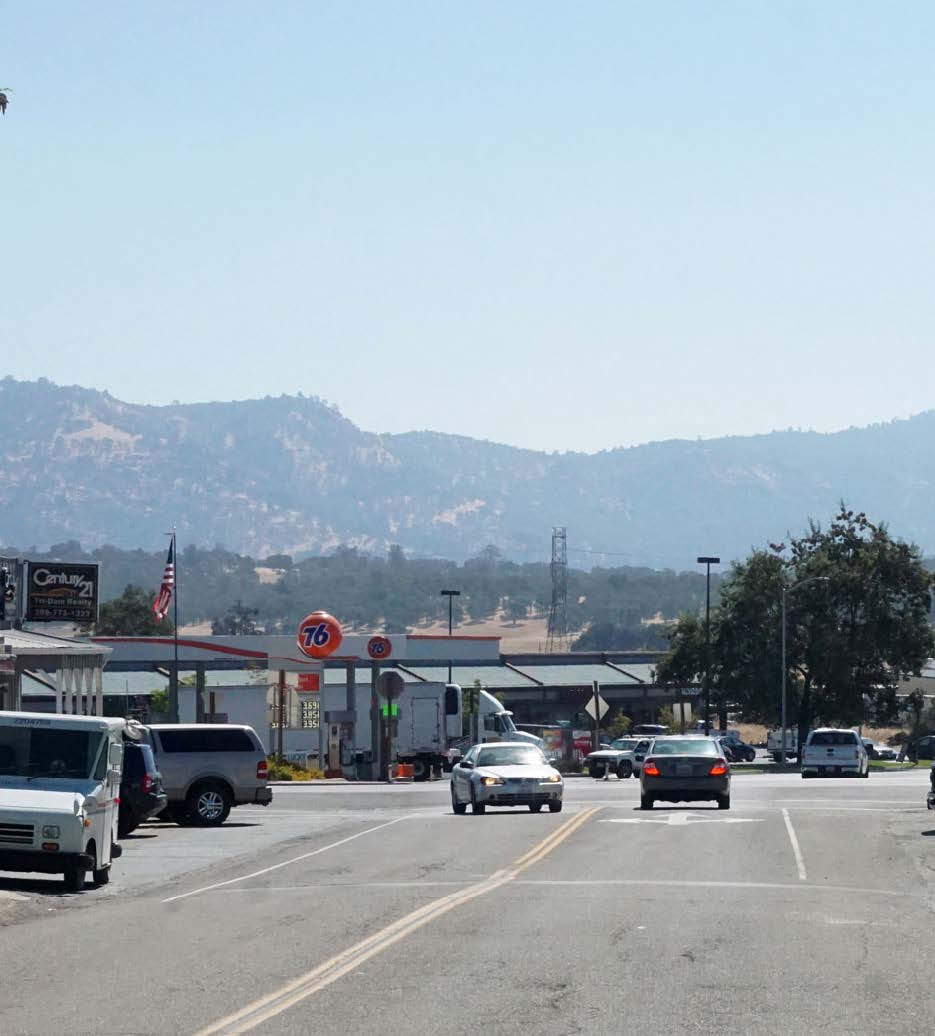
Completed, PlansThe Calaveras Council of Governments (CCOG) and County of Calaveras applied for and received a State transportation planning grant for FY 2017/18, made possible through Senate Bill 1 (SB 1), to complete a Complete Streets Capital Infrastructure Plan for Valley Springs. The Plan will provide for the community level planning needed to develop conceptual complete streets transportation improvements that build upon operational investments on SR 26 and the SR 12/26 intersection, incorporates community aesthetic, and provides safe travel options for residents and students to schools and community centers. The project is a collaborative partnership of the School, Caltrans, CHP, CCOG, County, and community. The Plan will explore multi-modal improvements within the Historic Town including streets serving as School pick up and drop off locations. The project includes an assessment of existing conditions, comprehensive public participation and outreach, conceptual design alternatives, development of a Complete Streets Plan and implementation and financial plan.
-
San Andreas Pope St and Safe Routes to School Gap Fill Plan- 2020
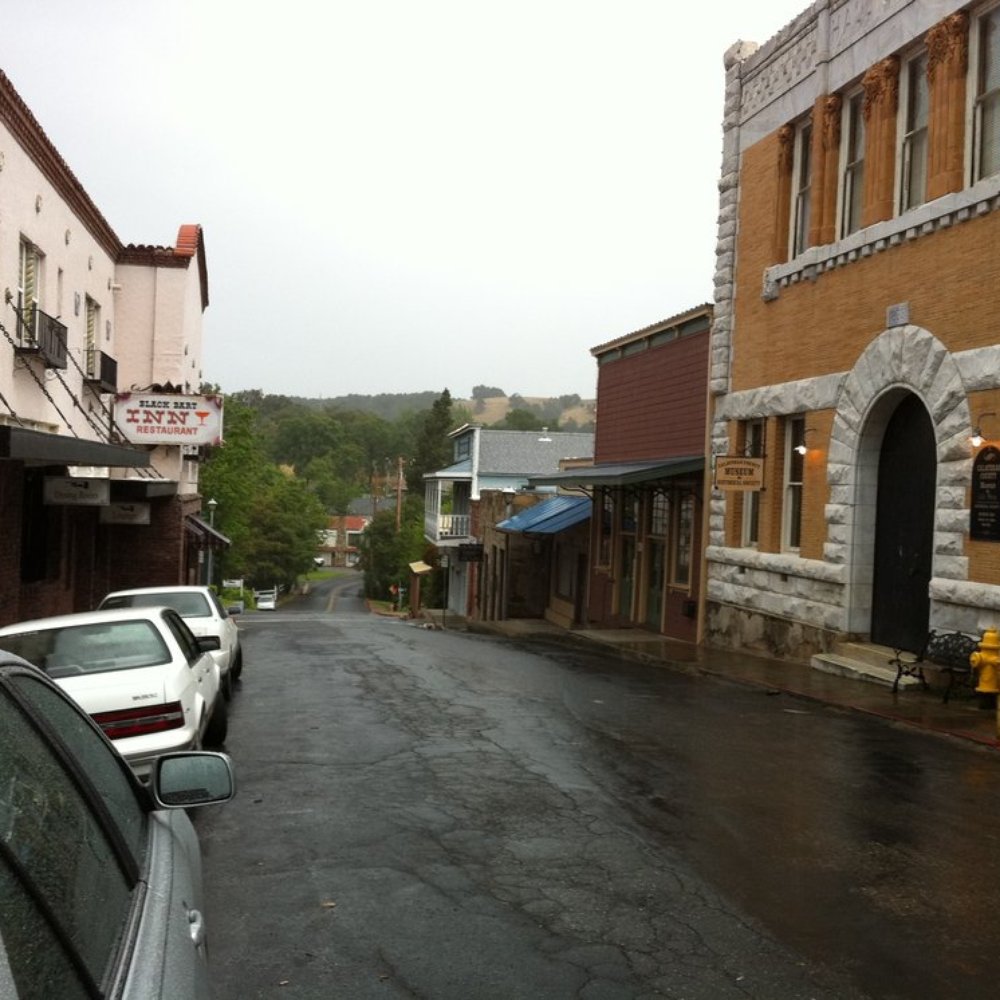
Completed, PlansThe San Andreas Pope Street and Safe Routes to School Gap Fill Plan identifies improvements to make walking and bicycling safer and more accessible in central San Andreas. The plan focuses on improving connections between residential neighborhoods, San Andreas Elementary School, the Government Center, and other community destinations through projects such as a multiuse path, improved crossings, and other pedestrian and bicycle safety improvements.
-
Angels Camp North Main Street/SR 49 Complete Streets Corridor Plan and Copello Road Pedestrian Connector- 2020
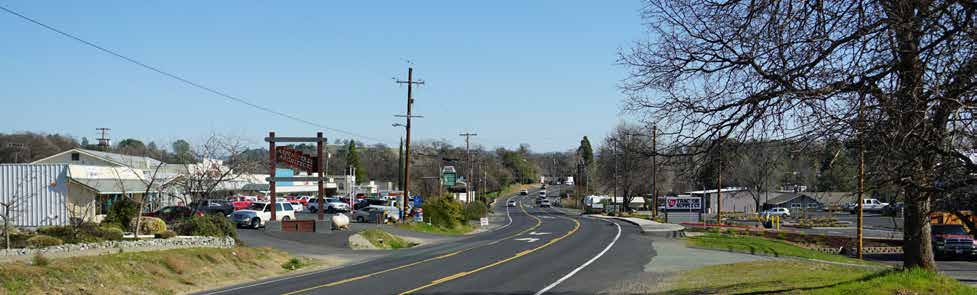
Completed, PlansThe Calaveras Council of Governments (CCOG) and City of Angels applied for and received a 2017/18 Sustainable Transportation Planning Grant through Caltrans made possible through Senate Bill 1. The CCOG serves as the eligible applicant, while the City will serve as project lead. The project will incorporate transit and other pedestrian safety improvements on SR 49 in the northern area of Angels Camp. The process will provide for facilitated community and stakeholder outreach and will result in conceptual designs and necessary technical data for a competitive Active Transportation Program grant application.